


As individuals age, structural changes such as ligament laxity, fat descent, and skin loosening can affect facial appearance. While traditional facelift techniques address surface-level concerns, the deep plane facelift is designed to reposition deeper facial structures.
For patients from Singapore who are considering exploring treatment options in South Korea, particularly for advanced facial rejuvenation procedures, understanding how the procedure is approached in Korea—along with its benefits, limitations, and risks—can you make informed decisions.
Back to main channel: Deep Plane Facelift
Schedule a consultation with a specialist
What is a Deep Plane Facelift?
A deep plane facelift is a surgical procedure that works beneath the SMAS (Superficial Musculoaponeurotic System) layer, allowing the surgeon to reposition deeper tissues such as fat pads and ligaments as a single unit.
By releasing specific retaining ligaments, the technique allows for more comprehensive repositioning of the midface, cheeks, and jawline compared to surface-based methods.
This approach may:
- Improve midface descent
- Reduce deep nasolabial folds
- Address jowling and jawline laxity
- Provide longer-lasting structural support
Results typically vary between individuals, but may last several years depending on ageing progression and lifestyle factors.
Who May Be Suitable for a Deep Plane Facelift?
Suitability depends on individual anatomy rather than age alone. Candidates may include individuals with:
- Moderate to significant facial sagging
- Midface descent (cheek drooping)
- Deep folds around the nose and mouth
- Jawline laxity
A consultation with a qualified medical professional is required to determine appropriateness.
How the Technique is Commonly Approached in South Korea
South Korea has developed a distinct approach to facial rejuvenation surgery, shaped by both technical training and aesthetic preferences.
1. Emphasis on Structural Repositioning
Korean surgeons commonly focus on lifting deeper anatomical layers rather than tightening the skin alone. This includes repositioning:
- SMAS layer
- Facial fat pads
- Retaining ligaments
This structural approach aims to restore facial proportions rather than simply reducing wrinkles.
2. Focus on Midface and Vertical Lift
A key characteristic often associated with Korean facelift techniques is midface elevation, particularly in the cheek region.
By releasing retaining ligaments and lifting tissues vertically:
- Cheek volume may be repositioned upward
- Nasolabial folds may appear softened
- Facial proportions may appear more balanced
This differs from older techniques that relied more on lateral (sideways) skin tension.
3. Integration with Adjunct Procedures
Deep plane facelifts in Korea are often combined with other procedures for overall facial harmony, such as:
- Lower eyelid surgery (blepharoplasty)
- Fat grafting to restore volume
- Skin treatments (e.g. laser or RF-based therapies)
These combinations aim to address multiple layers of ageing rather than a single concern.
4. Post-Operative Care Systems
Many Korean clinics provide structured post-operative care programmes, which may include:
- Regular follow-up visits during the initial recovery period
- Swelling and bruise management therapies
- Monitoring of wound healing before international patients return home
Recovery timelines vary, but patients are often advised to remain in Korea for approximately 1–2 weeks post-surgery for monitoring.
Why Some Patients Consider South Korea
Several factors contribute to interest in undergoing the procedure in South Korea:
Surgical Volume and Specialisation
Some clinics in Seoul focus heavily on facial aesthetic procedures, including advanced facelift techniques. Higher procedural volume may contribute to familiarity with specific techniques, although outcomes depend on individual surgeon expertise.
Aesthetic Preferences
Korean aesthetic approaches often prioritise:
- Natural-looking results
- Facial balance and harmony
- Preservation of expression
There has been a broader global shift toward these outcomes, influencing demand for deeper-plane techniques.
Cost Considerations
Costs in South Korea may be lower than in Singapore in some cases. However, total expenses should include:
- Flights and accommodation
- Post-operative care
- Potential revision or follow-up care
Estimated Cost of Deep Plane Facelift in Singapore and South Korea
| Location | Estimated Cost |
| Singapore | S$35,000 to S$45,000 |
| South Korea | ₩12,000,000 to ₩50,000,000 or more (Approximately S$10,200 to S$42,000+) |
Disclaimer: Cost are estimates based on publicly available sources. It may vary depending on the clinic, surgeon, and complexity of the procedure.
Patients considering overseas procedures should also account for additional expenses such as travel, accommodation, and post-operative care.
Specialist Specialists You May Consider
Finding a surgeon who masters the deep plane technique is vital for safety and aesthetic success. Below are specialists for your consideration who focus on advanced facial rejuvenation:

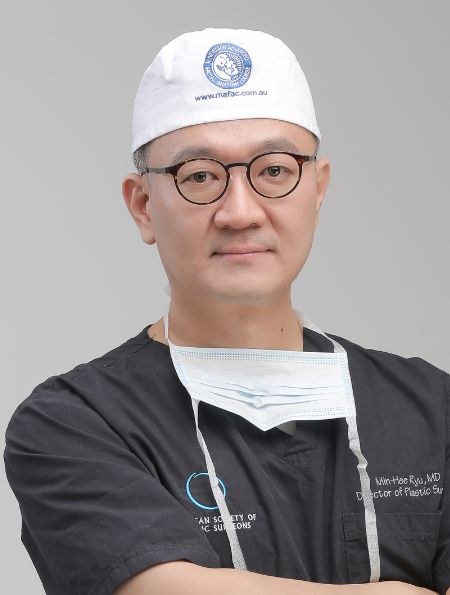

[SG] Featured Doctor

Featured Story
For inquiries or for an introduction to a specialist, contact us below.
Important Risks and Considerations
While the deep plane facelift is an established surgical technique, it is also technically complex and requires a high level of expertise.
Surgical Risks
As with all surgeries, risks may include:
- Infection
- Haematoma (bleeding)
- Nerve injury (temporary or permanent)
- Scarring or asymmetry
The procedure involves working near facial nerves, making surgical experience particularly important.
Frequently Asked Questions (FAQs)
How long do results typically last?
Results may last several years, often in the range of 10 to 15 years, although this varies between individuals.
Is it suitable for Asian patients?
The technique may be appropriate for different skin types, including Asian skin. Suitability depends on individual anatomy and should be assessed by a qualified doctor.
What age is appropriate for this procedure?
There is no fixed age requirement. Candidates are typically individuals with noticeable facial sagging, often from their 40s onwards.
Will results look natural?
Outcomes depend on surgical technique, individual anatomy, and healing. A qualified surgeon can advise on realistic expectations.
How long is the recovery period?
Initial recovery may take a few weeks, while full healing can take several months. Travel timelines should be discussed with the treating doctor if surgery is performed overseas.