

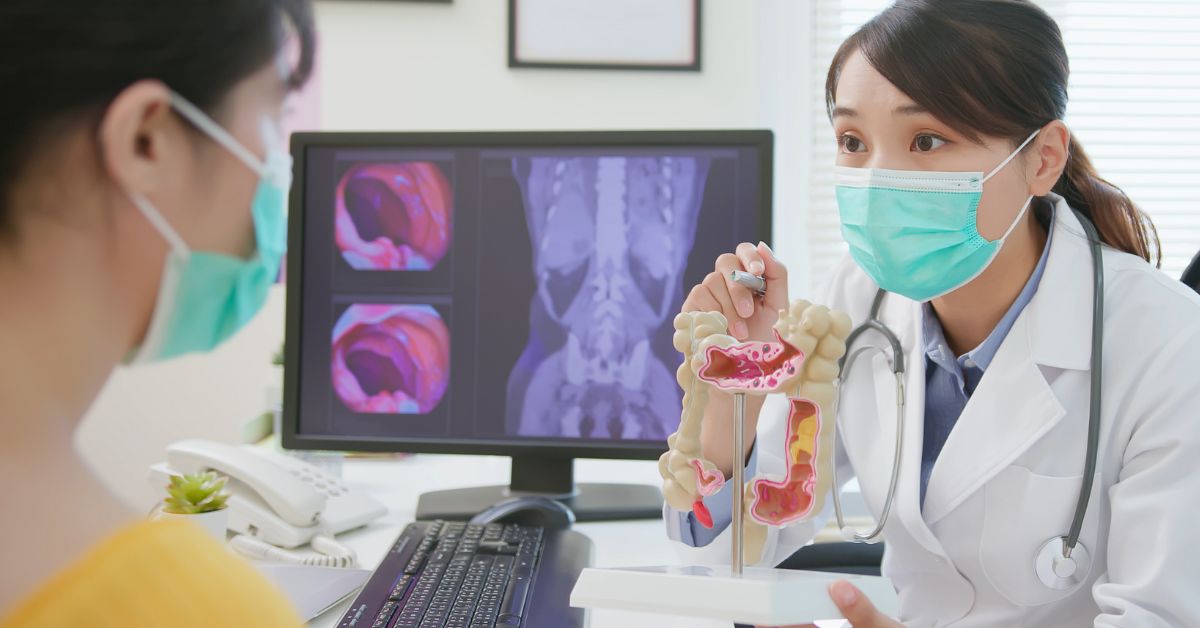
Colorectal cancer is a top killer cancer in Singapore, yet it is highly preventable with early detection. Colonoscopy screening is a key procedure in identifying potential issues in the large intestine and rectum before they develop into serious conditions. Understanding when and why to undergo a colonoscopy can save lives.
Back to main channel: Colonoscopy
Schedule an appointment with a gastroenterologist
What Is Colonoscopy Screening?
A colonoscopy is a medical procedure that allows specialists to examine the inner lining of the large intestine (colon and rectum) using a flexible tube equipped with a camera. This examination helps detect abnormalities, including polyps, cancers, and other gastrointestinal (GI) conditions.
Colonoscopy is not only diagnostic but also preventive. During the procedure, precancerous polyps can be removed, significantly reducing the risk of colorectal cancer.
Who Should Consider Colonoscopy Screening?
Colonoscopy screening is generally recommended for:
- Individuals aged 50 and above: Routine screening is advised to detect early signs of colorectal cancer.
- Those with a family history of colorectal cancer: Screening may be recommended earlier, sometimes starting in their 40s.
- Patients with Inflammatory Bowel Disease (IBD): Conditions such as ulcerative colitis or Crohn’s disease increase colorectal cancer risk, making regular colonoscopies important.
- Individuals experiencing gastrointestinal symptoms: Rectal bleeding, chronic diarrhoea, constipation, unexplained weight loss, or persistent abdominal pain are warning signs that warrant a colonoscopy.
Early screening is crucial, as colorectal cancer often develops without noticeable symptoms until it reaches an advanced stage.
Benefits of Colonoscopy Screening
- Detection and Removal of Polyps: Precancerous growths can be identified and removed during the procedure, preventing cancer from developing.
- Accurate Diagnosis of GI Conditions: Colonoscopy helps identify disorders such as diverticulosis, ulcers, piles (hemorrhoids), infections, and IBD.
- Investigation of Unexplained Symptoms: Persistent gastrointestinal issues can be thoroughly assessed, guiding appropriate treatment.
- Preventive Health: Regular colonoscopy screening can significantly reduce colorectal cancer risk by detecting early-stage abnormalities.
- Flexible Sedation Options: The procedure can be performed under moderate sedation or deep sedation, according to patient preference, ensuring comfort throughout.
What to Expect During the Procedure
Before a colonoscopy, patients typically follow a bowel preparation plan to ensure the colon is clear for accurate examination. The procedure itself usually takes 20 to 60 minutes. Following the examination, patients may rest briefly before resuming normal activities. Recovery is generally quick, with most individuals returning to daily routines within the same day.
Cost of Colonoscopy Screening
The cost of colonoscopy screening in Singapore may vary depending on the clinic and the level of sedation required. For a general idea and estimated prices, you may refer to our article: Colonoscopy Cost: Singapore Vs Malaysia Vs Thailand
Specialists You May Consider
Colonoscopy is performed by trained gastroenterologists or colorectal surgeons. Choosing the right specialist ensures a safe and effective procedure. Some specialists you may consider:


[Big Story] Inflammatory Bowel Disease




Dr Henry Tan Chor Lip 陈楚立医生

Dr Chong Choon Seng 张峻诚医生

[SG] Featured Doctor
For inquiries or for an introduction to a specialist, contact us below.
Frequently Asked Questions (FAQs)
How often should I undergo colonoscopy screening?
For individuals at average risk, it is generally recommended every 10 years starting at age 50. Higher-risk individuals may need more frequent screening.
Is colonoscopy painful?
Most patients experience minimal discomfort due to sedation. Some may feel mild cramping or bloating during the procedure.
Are there risks associated with colonoscopy?
Colonoscopy is generally safe. Potential risks include bleeding, especially if polyps are removed, and, rarely, perforation of the colon. Your specialist will discuss these in detail.
How should I prepare for colonoscopy screening?
Preparation involves following a clear diet and taking prescribed bowel-cleansing solutions to ensure the colon is fully clear for examination.
Can colonoscopy detect all colorectal cancers?
While highly effective, no screening method is perfect. Colonoscopy is the most accurate test for detecting colorectal cancer and precancerous polyps, but it is important to follow recommended screening intervals.
Disclaimer: 365Asia aims to provide accurate and up-to-date information, our contents do not constitute medical or any professional advice. If medical advice is required, please consult a licensed healthcare professional. Patient stories are for general reading. They are based on third-party information and have not been independently verified.