



Colonoscopy
Support Early Detection of Colorectal Conditions
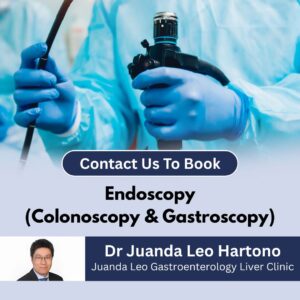
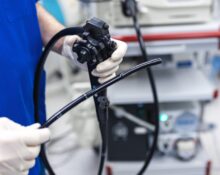
A colonoscopy is a procedure that allows a doctor to examine the large intestine (colon) and rectum using a thin, flexible tube with a camera. It is widely used for colorectal cancer screening, diagnosing gastrointestinal conditions, and removing polyps before they progress. Colonoscopy may be performed with moderate sedation or deep sedation, depending on patient preference and clinical assessment.
Colonoscopy Screening: Protect Your Colorectal Health Early
- December 1, 2025
- 4542 Views
- Reading Time: 3 minutes
Colonoscopy Cost Singapore: How Much You Should Expect to Pay
- December 1, 2025
- 4544 Views
- Reading Time: 2 minutes
Colonoscopy Procedure: Essential Screening for Colorectal Health
- December 1, 2025
- 4542 Views
- Reading Time: 3 minutes
Why You Should Consider a Colonoscopy
A colonoscopy is an important tool for maintaining colorectal health, particularly for individuals who meet recommended screening guidelines or experience persistent gastrointestinal symptoms.
- Screening for Colorectal Cancer – Colorectal cancer is one of the most common cancers in Singapore. Screening is generally recommended from 50 years old. Individuals with a family history of colorectal cancer or conditions such as Inflammatory Bowel Disease (IBD) may need to begin screening earlier, based on medical advice.
- Detection and Removal of Polyps – Polyps are small growths that can form in the colon. Some polyps may develop into cancer over time. A colonoscopy allows early detection and safe removal of polyps, which reduces the risk of colorectal cancer.
- Diagnosing Gastrointestinal Disorders – A colonoscopy helps doctors assess and diagnose various gastrointestinal conditions, including ulcerative colitis, Crohn’s disease, diverticulosis, ulcers, piles (haemorrhoids), and bowel infections.
- Investigating Persistent Symptoms – A colonoscopy may be recommended for individuals who experience rectal bleeding, chronic diarrhoea, prolonged constipation, unexplained weight loss, or persistent abdominal pain. Identifying the cause early allows timely management.
Overall, a colonoscopy is highly effective in detecting early abnormalities and supporting the prevention of colorectal cancer.

[SG] 365Mall Featured
[MY] 365Mall Featured
Hospitals & Medical Centres
Singapore
Malaysia
Find A Doctor
If you are considering a colonoscopy, you may speak to a Gastroenterologist or General Surgeon. They can assess your symptoms, review your medical history, and recommend the appropriate screening schedule. Seeking professional advice ensures that you receive guidance that is suitable for your individual health needs.

[Big Story] Inflammatory Bowel Disease
[SG] Featured Doctor
View more gastroenterologists or general surgeons (colorectal) on 365Find.
Book an appointment for colonoscopy or to consult a specialist. Contact us via the button below.
Featured Financial Advisors

[Big Story] Inflammatory Bowel Disease
[SG] Featured Doctor
FAQs
Most patients do not experience pain during the procedure because sedation is used. Mild bloating or gas may occur afterwards, and this usually improves within a short period.
A colonoscopy generally takes about 20 to 45 minutes. After the procedure, patients are monitored until the effects of sedation wear off.
Preparation includes a bowel cleansing process, which may involve a liquid diet and prescribed laxatives. Your doctor will provide detailed instructions to ensure a clear view during the procedure.
Individuals with average risk are usually recommended to undergo screening every 10 years. Those with higher risk factors may require screening at shorter intervals, based on medical recommendations.
Polyps can often be removed during the same procedure and sent for laboratory analysis. Early removal helps reduce the risk of future complications.