

Colorectal health is a cornerstone of overall well-being, yet many individuals may delay screenings due to uncertainty or discomfort surrounding the process. A colonoscopy procedure is a vital diagnostic tool that allows specialists to detect and prevent colorectal diseases, including colorectal cancer, polyps, and inflammatory bowel conditions. Understanding the procedure, preparation, and recovery can help you make informed decisions for your health.
Back to main channel: Colonoscopy
Schedule an appointment with a gastroenterologist
What is a Colonoscopy Procedure?
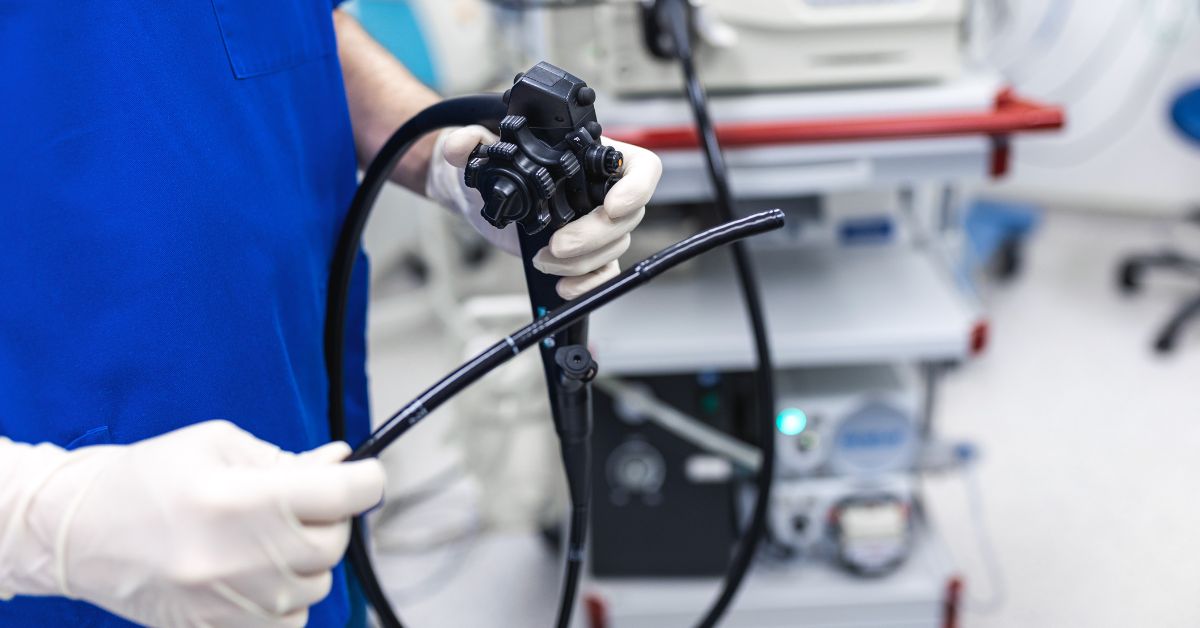
A colonoscopy is a medical procedure that allows a gastroenterologist to examine the inner lining of your large intestine (colon and rectum). Using a flexible tube equipped with a camera, called a colonoscope, specialists can identify abnormalities such as polyps, ulcers, or inflammation. In some cases, minor treatments such as polyp removal or biopsy can be performed during the procedure, avoiding the need for separate surgery.
Why a Colonoscopy Procedure is Important
Colorectal cancer is one of the most preventable cancers when detected early. Regular colonoscopy screenings can identify precancerous changes, allowing timely intervention. Individuals with risk factors such as a family history of colorectal cancer, chronic gastrointestinal conditions, or age above 50 are often advised to undergo screening.
Early detection through a colonoscopy procedure significantly improves treatment outcomes and reduces the risk of serious complications. In Singapore, medical guidelines emphasise the importance of screening, particularly for high-risk individuals.
Preparing for a Colonoscopy Procedure in Singapore
Preparation is key to a successful colonoscopy. Patients are usually required to follow a clear-liquid diet for 24 hours prior to the procedure. A bowel-cleansing regimen using prescribed laxatives ensures the colon is free of stool, providing a clear view for the doctor.
It is also important to inform your specialist about any medications or medical conditions before the procedure. Your gastroenterologist will provide detailed instructions on preparation to ensure safety and accuracy during screening.
What to Expect During the Procedure
The colonoscopy procedure is generally performed under mild sedation to ensure comfort. The patient lies on their side while the colonoscope is gently inserted through the rectum into the colon. The camera transmits high-resolution images to a monitor, allowing the specialist to carefully inspect the colon lining.
The procedure typically lasts 30 to 60 minutes, depending on complexity and any interventions performed, such as polyp removal. Most patients experience minimal discomfort during the examination.
Recovery and Aftercare
After the procedure, patients are monitored until the sedative wears off. Mild bloating, cramping, or gas is common but usually resolves within a few hours. Patients are advised to have a companion accompany them, as driving or operating machinery immediately after sedation is not recommended.
Your specialist will provide a detailed report and advise on follow-up care if polyps were removed or abnormalities detected.
Colonoscopy Procedure Cost in Singapore
The cost of a colonoscopy procedure in Singapore varies depending on the hospital or clinic, and whether additional interventions, such as polyp removal, are performed. Prices generally range between S$2,000 and S$3,500. Singapore residents may offset part of the cost using Medisave or insurance coverage.
Learn more about costing on our article: Colonoscopy Cost: Singapore Vs Malaysia Vs Thailand
Specialists You May Consider
Selecting the right specialist is essential for a safe and effective colonoscopy. Experienced gastroenterologists and colorectal surgeons are best equipped to provide personalised care, explain preparation requirements, and ensure accurate diagnosis.


[Big Story] Inflammatory Bowel Disease
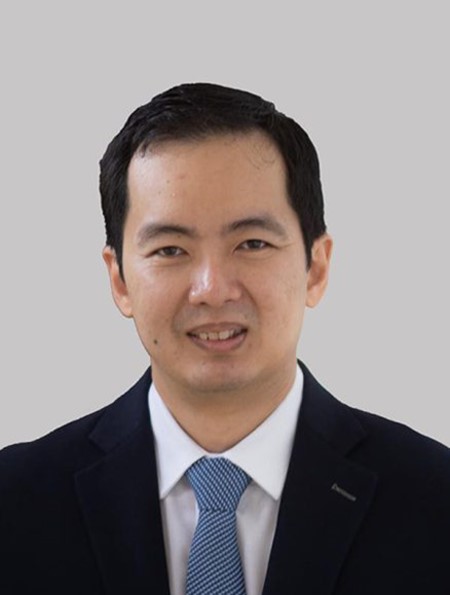



Dr Henry Tan Chor Lip 陈楚立医生
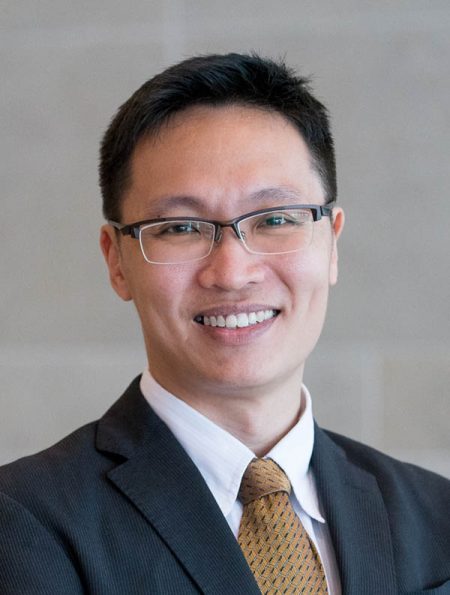
Dr Chong Choon Seng 张峻诚医生

[SG] Featured Doctor
For inquiries or for an introduction to a specialist, contact us below.
Frequently Asked Questions (FAQs)
Is a colonoscopy procedure painful?
Most patients receive sedation, making the procedure relatively comfortable. Some may experience mild cramping or bloating, which usually resolves quickly.
How long does a colonoscopy take?
A standard colonoscopy procedure typically lasts 30 to 60 minutes. Additional time may be required if polyps or biopsies are performed.
How often should I undergo a colonoscopy?
Average-risk individuals are advised to undergo screening every 10 years after the age of 50. High-risk patients may require more frequent screenings as advised by their specialist.
Can I eat or drink before the procedure?
No. Patients must follow a clear-liquid diet for 24 hours and complete prescribed bowel-cleansing medications to prepare for the procedure.
Are there any risks involved?
Colonoscopy is generally safe. Risks include minor bleeding or, rarely, perforation of the colon. These are minimised when the procedure is performed by experienced specialists.
Disclaimer: 365Asia aims to provide accurate and up-to-date information, our contents do not constitute medical or any professional advice. If medical advice is required, please consult a licensed healthcare professional. Patient stories are for general reading. They are based on third-party information and have not been independently verified.